Clubs & community

Metal detecting clubs & community

Metal detecting is a better hobby with other people in it. A club gets you onto land you could not reach alone, tells you what you have just dug up, and gives you a calendar of digs worth turning up to. Here is how to find the detecting community near you — and how to start a club if there is not one yet.

Clubs on Local Metal Detector

Clubs listed on the directory, with the ones currently welcoming new members first. Everything below explains how clubs work if you are new to them.

Welcoming new members

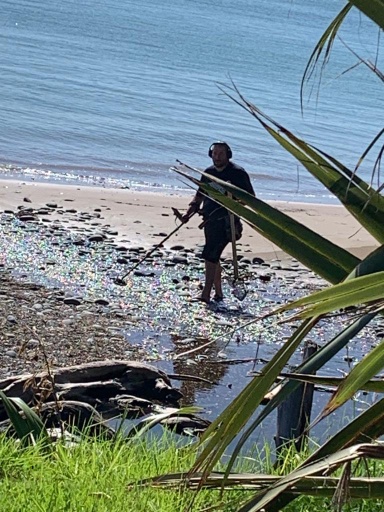
East Auckland Metal Detecting

Beachlands, Auckland

We are detectorists, treasure hunters ring finders and everything in between, if this suits you join up and you could learn something.

Where
On the beach then coffee afterwards
Founded
2026
View club profile

Not listed yet? Add your club free · Browse the whole directory

What a metal detecting club actually does

Clubs are often described as social groups, which undersells them. The practical value is concentrated in four things:

Land you cannot get alone

The hardest part of the hobby is permission. Clubs hold relationships with farmers, councils and landowners built over years, and organised digs are how members get onto ground that is closed to individuals.

Finds identification

Someone in the room has dug your mystery object before. Clubs are the fastest way to learn what comes out of your local soil, and the route to reporting anything historically significant properly.

People to go out with

Detecting solo is fine until the weather turns or the field is large. A club gives you a standing calendar and people expecting you, which is what actually keeps beginners in the hobby.

Competitions & charity hunts

Many clubs run find-of-the-month competitions, seeded hunts and charity events. They are social first, but they are also how you calibrate yourself against detectorists more experienced than you.

How to find a metal detecting club near you

Clubs are searched for far more often than they are advertised, so the useful routes are narrow:

  1. Search the directory by area. Club listings on the directory show where a club is based, when it meets and whether it is open to new members right now.
  2. Look at the map. Clubs keep an exact location rather than the suburb-level pin individual members get, so a club pin is where the club really is.
  3. Ask a local detectorist. If no club is listed near you, the detectorists in your area almost certainly know which groups are active — club membership and informal detecting circles overlap heavily.
  4. Check the club standings. The clubs leaderboard ranks active clubs by region, which is a quick way to see who is actually out detecting near you.

What to expect at your first club dig

1

Make contact first

Message the club before turning up. Most run a fixed calendar, and some digs are on land with access arranged for named attendees only.

2

Go to a meeting

A club night is a lower-commitment introduction than a field. You will meet the people, see the finds table, and learn how the dig programme works.

3

Come to a dig

Bring your machine, a digging tool, and a pouch for rubbish as well as finds. Arrive early enough for the briefing — it tells you where you may and may not search.

4

Join if it fits

Most clubs let you attend once or twice before you commit. Dues, if any, are arranged directly with the club.

The one rule that matters: fill your holes and take your rubbish home. Club permissions are built on landowners staying happy, and a single badly left field can cost a club land it took years to get.

Joining a club, or detecting solo

Plenty of good detectorists never join a club, and there is no obligation to. Detecting alone means going when you like, searching where you like, and answering to nobody about your finds. If you are content on public land — beaches, parks, permitted foreshore — you can do the hobby indefinitely on your own.

What a club adds is access and knowledge. Private land is the difference between finding modern coinage and finding something old, and private land is almost entirely a matter of permission. A club holds those permissions collectively. The second difference is identification: learning what comes out of your local ground is far faster with people who have dug it for twenty years than it is alone with a search engine and a corroded lump.

Most detectorists end up doing both — club digs for the organised land, solo trips for everything else. If you are new, a club is the shortest route to being competent.

How to start a metal detecting club

If nothing is running near you, starting a club is less formal than it sounds. Begin with the people; the paperwork can wait until there is something to administer.

  1. Find four or five reliable locals. A club is a group that turns up, not a constitution. Enough people for a dig is enough people to start.
  2. Fix a meeting and a first dig. A predictable date does more for membership than any amount of organisation. Somewhere to meet, and one piece of land.
  3. List the club publicly, early. Most new members find a club by searching for one. A club with no listing is invisible to exactly the people looking for it — add your club free.
  4. Formalise once you have costs. When there is insurance or venue hire to pay for, add a committee and dues. Local Metal Detector gives listed clubs a member roster, committee roles, an events calendar and dues tracking, so this does not have to live in a spreadsheet.

Frequently asked questions

How do I find a metal detecting club near me?

Search the directory or the live map for clubs in your area — club listings show where the club is based, when it meets and whether it is currently taking new members. If there is no club near you, individual detectorists in the directory will usually know which groups are active locally, because club membership and informal detecting circles overlap heavily.

What does a metal detecting club actually do?

Most clubs run a regular meeting and a programme of group digs on land the club has permission to search. Beyond that, the day-to-day value is practical: members help each other identify finds, share advice on machines and settings, pass on landowner permissions, and organise competitions or charity hunts. Many clubs also handle the reporting side of significant finds, which is easier with people who have done it before.

Do I need to join a club to go metal detecting?

No. Plenty of detectorists never join one. A club mainly buys you three things that are hard to get alone: land you would not otherwise have permission to search, people who can tell you what you have just dug up, and someone to go out with. If you are happy searching public land and learning from forums, you can do the hobby indefinitely without a club.

How much does a metal detecting club cost to join?

Club dues are set by each club and are usually a modest annual subscription — enough to cover insurance, venue hire and running the programme. Some clubs charge a small extra fee per organised dig. Fees are always arranged directly with the club; joining a club through this directory does not add any charge.

Can beginners join a metal detecting club?

Yes, and most clubs actively want beginners — an established club is the fastest way to shorten the learning curve on a new machine. You do not need an expensive detector or any finds to your name. Say you are new when you make contact; clubs are used to it and many will pair you with an experienced member for your first few digs.

What should I bring to my first club dig?

Your detector and headphones, a digging tool suited to the ground, a pouch for finds and one for rubbish, gloves, water, and clothing for weather that will change. Bring the manual or at least know how to change your machine’s basic settings. Most importantly, bring the club’s meeting details and arrive early enough to be briefed.

What are the rules at a club dig?

The specifics vary, but the constants are: search only where the club tells you, fill every hole completely, take all rubbish off the field with you, leave gates and livestock as you found them, and report anything significant rather than pocketing it quietly. Clubs enforce these because their permissions depend on landowners staying happy.

How do I start a metal detecting club?

Start with the people, not the paperwork: a handful of local detectorists who will reliably turn up. Agree a regular meeting spot and a first dig, then formalise as interest grows — a committee, a membership list, and dues once you have costs to cover. Listing the club publicly early helps, because most new members find a club by searching for one rather than by word of mouth.

What is the difference between a metal detecting club and a society?

In practice, very little — the words are used interchangeably. "Society" tends to signal a longer-established group with a formal committee and a constitution, while "club" covers everything from that down to a few friends with a shared dig calendar. Both are searched for, so it is worth listing under whichever name yours actually uses.

Can a club help me identify a find?

This is one of the strongest reasons to join. Identification is pattern recognition built over years, and a club room full of people who have dug the same soil will place a corroded object far faster than a search engine will. Clubs also tend to know the local reporting route for anything historically significant.

Are metal detecting clubs insured?

Many established clubs carry public liability cover for organised digs, which is often what makes landowners willing to grant permission in the first place. It is a fair question to ask before your first dig — ask the club directly, as cover differs by club and by country.

How do I list my metal detecting club on this directory?

Add your club free from the join page. A club listing puts you on the map with your meeting times, venue and whether you are open to new members, and gives you a member roster, committee roles, an events calendar and membership dues tracking. It is free to list and free to be contacted by people looking for a club near them.
Find the detecting community near you

Search the directory for clubs and detectorists in your area, or put your own club on the map. Free to list, free to search, free to be contacted.

Search the directory

Running a club? List it free · Club standings · About Local Metal Detector