Lost item recovery
Lost a ring or jewellery? Find a metal detectorist near you.
Dropped a wedding ring on the beach, lost an earring in the grass, or watched a watch slip off in the park? A local metal detectorist can help you search for and recover it. Find one near you on the live map — free to contact, no account needed.
How lost-item recovery works
Search the map near where you lost it
Open the directory and find metal detectorists close to the beach, park or address where the item was lost.
Contact a detectorist — free
Send a private message describing what you lost and roughly where. Your details are only shared with the detectorist, never published.
They search and recover it
The detectorist arranges a time, brings the right detector, and searches the area. Agree any reward or fee directly with them.
Where a detectorist can help
Metal detectorists recover lost rings, jewellery and valuables in all the places they most often go missing:
Beaches & sand
Dry sand, the waterline and shallow surf — a classic spot to lose (and recover) a ring.
Parks & grass
Lawns, picnic spots and playing fields where a ring slips off during a game or a lie-down.
Sports fields
Rings and jewellery flung off during football, rugby, cricket or a training session.
Gardens & yards
Flower beds, lawns and vegetable patches where a ring comes off while gardening.
Snow & winter ground
Cold shrinks fingers — rings vanish into snow and can be pinpointed once described.
Shallow water
Lake edges, rivers and pools — recoverable with a waterproof detector.
What can be found
If it contains metal, a detectorist has a good chance of recovering it:
- Wedding & engagement rings
- Earrings & studs
- Necklaces & pendants
- Bracelets & bangles
- Watches
- Keys & key fobs
- Coins & heirlooms
- Phones with metal parts
Act fast: rings sink into sand and soil and can be moved by tides, wind and foot traffic. The sooner you find a detectorist — and the more precisely you can describe where the item was lost — the better the chance of getting it back.
What to do the moment you lose a ring
The first few minutes matter most. A few simple steps make a detectorist far more likely to recover your lost ring:
- Stop and stay put. Don't wander around searching — you'll widen the area and press the ring deeper.
- Mark the spot. Drop a towel, bag or a pin on your phone exactly where you think it went missing.
- Don't rake, dig or trample. Disturbing the ground makes a clean detector search much harder.
- Note the details. The time, the tide, and where you were sitting, playing or walking all narrow the search.
- Contact a detectorist fast. The sooner someone searches, the less chance the ring sinks, moves or is picked up. Find one near you →
How a metal detector finds a lost ring
A lost ring is one of the easiest things a metal detector recovers. Gold, platinum and silver are highly conductive, so even a thin wedding band gives a strong, clean signal — often from deeper than you'd expect. That's why an experienced detectorist can find a lost ring that has slipped into beach sand, sunk into a lawn, or been trodden into soft ground.
On site, the detectorist grids the area you describe, listens for the ring's distinctive tone, then uses a pinpointer to zero in on the exact spot before carefully lifting it. A small, well-described search area is the single biggest factor in a fast recovery — which is why marking where you were makes such a difference.
Lost jewellery recovery: what a detectorist can get back
Lost jewellery recovery — or lost jewelry recovery, as it's spelled in the US — covers far more than rings. If a piece contains metal, a detectorist has a strong chance of finding it.
Gold, silver, platinum and stainless steel all read clearly on a detector, and even costume or plated pieces usually hold enough metal to detect. Wedding and engagement rings are the most common recoveries, but earrings, bracelets, watches and necklaces come back just as often — on beaches, in parks, gardens, sports fields, snow and shallow water. See real recoveries shared by our detectorists →.
Latest recoveries
The most recent finds shared by detectorists across the directory:
Tapuae Beach Recovery / Reuniting
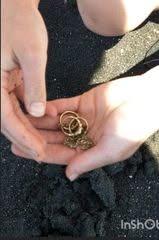
Briar and her partner were enjoying a lovely Boxing Day at Tapuae Beach (Taranaki, NZ) when a wave suddenly washed up and over where they were sitting. They quickly grabbed their things and moved further up the beach, and it was then that Briar realized that her gold necklace with 3 gold rings on it were now missing. She had earlier taken her necklace and rings off and carefully placed them in a sock for safe keeping - but the sock was now empty! After being contacted to help find a lost gold chain with 3 gold rings on it, Peter, my husband and I met up with Briar and her partner at the Tupuae Beach carpark. We then walked approximately a km along a track towards the beach when Briar suddenly let out a yell of pain. It just wasn't her day! She had just got her first ever bee sting. I scrapped the sting off the sole of her foot and we carried on to the beach. Peter and I started gridding the beach and it wasn't long before I heard the one and only target on the beach. I was pretty confident that it was the lost gold jewellery and with one scoop of sand carefully removed - it was all revealed.
1911 gold and sapphire
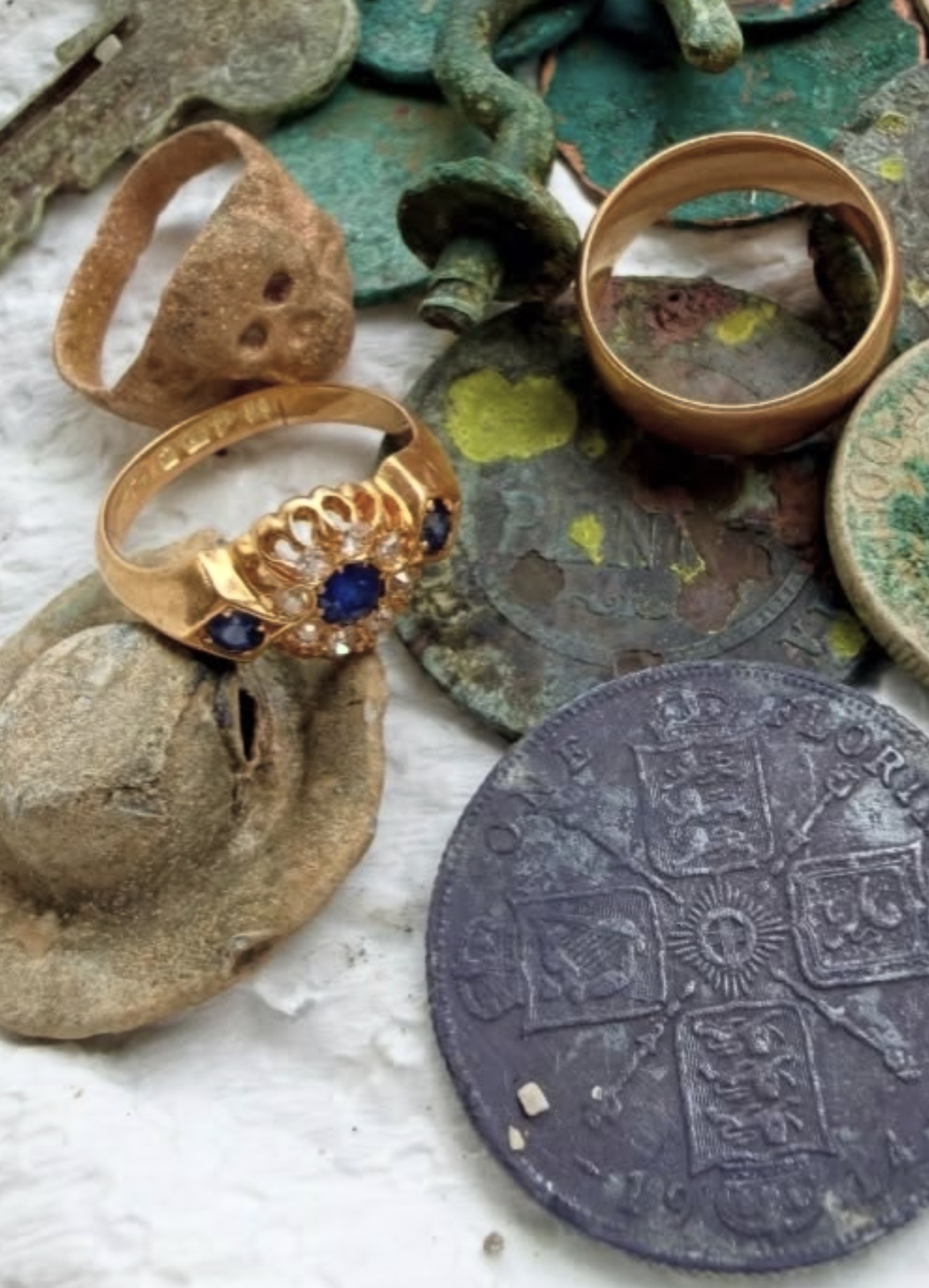
In an area I’ve been to hundreds of times. And at least 15 other detectorists have also been to. And literally walked over many times. Myself included, this spot about 3m x 3m produced a lot of old silver coins over the years, at depths you wouldn’t believe, each target took over 10mins to dig out they were that deep. My 15inch coil has a huge advantage on depth. Deeper than any other metal detector it seems for everyone else to miss. I changed one setting on my metal detector. And it lit up all these new targets after I had thought the spot was cleaned out . Over a couple weeks I dug up 13 Gold rings. Worth $10k all 18ct. Plus 30 silver coins. All dated late 1800s to early 1900s this was a great honey hole. This sapphire ring was my favourite from the 13, that I found in this honey hole.
1913 Gold pendant
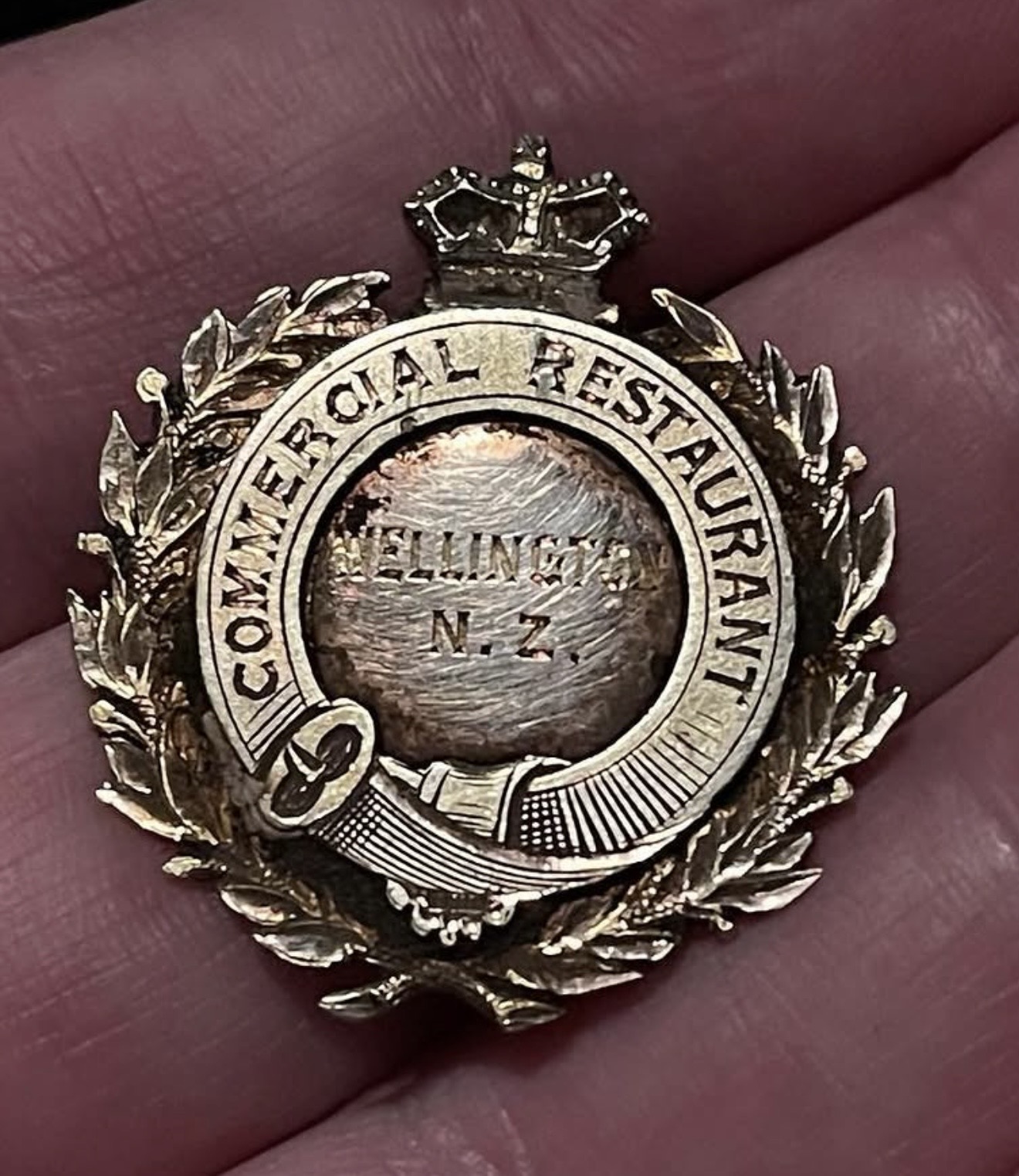
Possibly the best find I’ve ever found. 9ct Gold, engraved on the back it says. To Bella one of three waitresses who waited on 630 people in 5.5 hours on Sunday 20th April 1913 I was in a park. Nothing really much exciting was found, lots of bottle caps and ring pulls, the occasional silver coin. This rung up like a bottle cap. Also I don’t know why I dug it up, and was surprised when I did. I intially didn’t think it was gold as I’ve never seen one before. I’ve seen similar in silver but not gold. It wasn’t until I got home and cleaned it that I realised it was solid gold. I did a lot of research trying to find who Bella was. What the event was with not much luck, I did find out the jeweller who made this was called Frank Grady, he also made the gold key to Wellington city,
Frequently asked questions
How do I find someone to recover my lost ring?
Use the live map to find metal detectorists near where you lost your ring, then contact one directly through the site. Many detectorists specialise in lost-item recovery and will come to a beach, park, garden or sports field to search for a lost ring, wedding band or piece of jewellery.
Can a metal detectorist find a ring lost in grass or sand?
Yes. Rings, earrings, watches and other metal jewellery are exactly what metal detectors are built to find. A detectorist can recover items lost in grass, sand, dirt, snow and shallow water, often within a small, well-described search area.
How much does it cost to hire a metal detectorist to find a lost ring?
It varies. Many hobbyist detectorists search for free or for a small reward if they recover your item, while some professionals charge a call-out fee. You agree any cost directly with the detectorist — contacting them through Local Metal Detector is free.
How quickly should I act after losing a ring?
As soon as possible. Rings can sink into sand or soil, get moved by tides, wind or foot traffic, or be picked up by someone else. The sooner a detectorist searches, and the more accurately you can describe where it was lost, the better the chance of recovery.
Can someone find a ring lost in the ocean or a lake?
Shallow water and the waterline are recoverable with a waterproof detector, and many detectorists own one. Deeper water needs a diver with an underwater detector. When you contact a detectorist, mention it was lost in or near water so they can bring the right equipment.
What information should I give the detectorist?
Describe the item (metal, size, any stones), roughly where and when it was lost, and any narrowing detail — where you were sitting, playing or walking. A tighter search area dramatically improves the odds. You can include all of this in the contact form.
Is Local Metal Detector free to use?
Yes — searching the map and contacting a detectorist is completely free, and you do not need an account. You only ever agree any recovery fee or reward directly with the detectorist you choose.
What kinds of items can be recovered?
Wedding and engagement rings, other rings, earrings, necklaces, bracelets, watches, keys, coins and even phones with metal components. If it contains metal, a detectorist has a good chance of finding it.
Can a metal detectorist find lost jewelry?
Yes. Lost jewelry — or jewellery, as it is spelled in the UK, Australia and New Zealand — is one of the most common things detectorists recover. Rings, earrings, bracelets, necklaces and watches are all metal, so a detector can locate them in sand, grass, soil, snow or shallow water.
How do I find a metal detectorist near me?
Open the map and search around the spot where you lost your item — it shows metal detectorists, clubs and stores near you, worldwide. Zoom to your town or beach, pick a detectorist who offers lost-item recovery, and message them directly. It is free and needs no account.
How long does it take to recover a lost ring?
Often quickly. If you can point a detectorist to a small, well-described area, many searches take under an hour. Timing depends on how large the area is, the ground conditions, and how soon you search — which is why acting fast and describing the location precisely matters most.
Can a metal detector find a lost ring?
Yes — a lost ring is one of the easiest things a metal detector finds. Gold, platinum and silver are highly conductive, so even a thin band gives a strong, clean signal. A detectorist grids the area you describe, pinpoints the target and lifts it, usually without disturbing the ground around it.
Does jewellery recovery work for gold, silver and platinum rings?
Yes. Gold, silver, platinum and stainless steel all read clearly on a metal detector, and even costume or plated jewellery usually contains enough metal to detect. Rings, earrings, bracelets, watches and necklaces are all recoverable — the material matters far less than knowing roughly where it was lost.
Can a detectorist find a ring lost in long grass or on a lawn?
Grass and lawns are among the most common (and most recoverable) places to lose a ring. A ring dropped in long grass usually sits at or just below the surface, so a detectorist can sweep the area and pinpoint it quickly — often the same day if you can show them roughly where you were.
Find a detectorist near you now
Search the live map, message a metal detectorist directly, and get help recovering your lost ring or jewellery. It's free to search and free to contact.
Find a detectorist near youAre you a detectorist who offers recovery? List yourself free · About Local Metal Detector